How Horror Reinvented Itself: A Brand-New Fear
The past few years saw a massive shift in how Hollywood and the wider public perceive horror
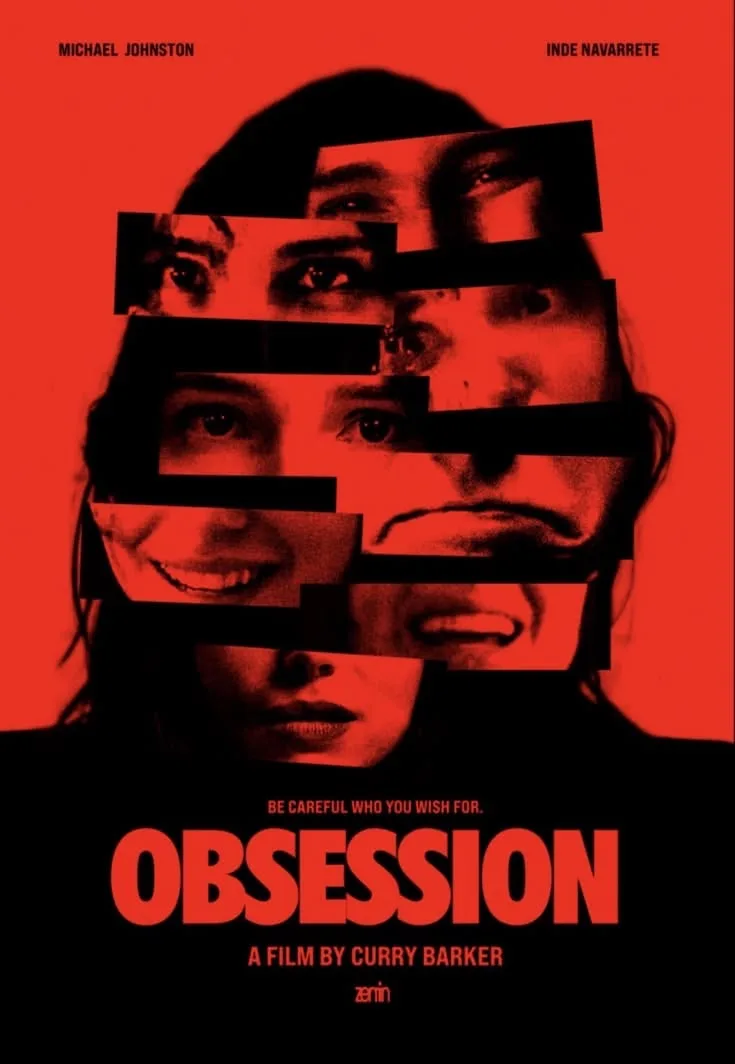
movies. This was proven by the worldwide release of OBSESSION (2025), which quickly
became one of the highest-grossing horror flicks of all time, racking up a respectable
$519,516,701 worldwide on a budget of $750,000.
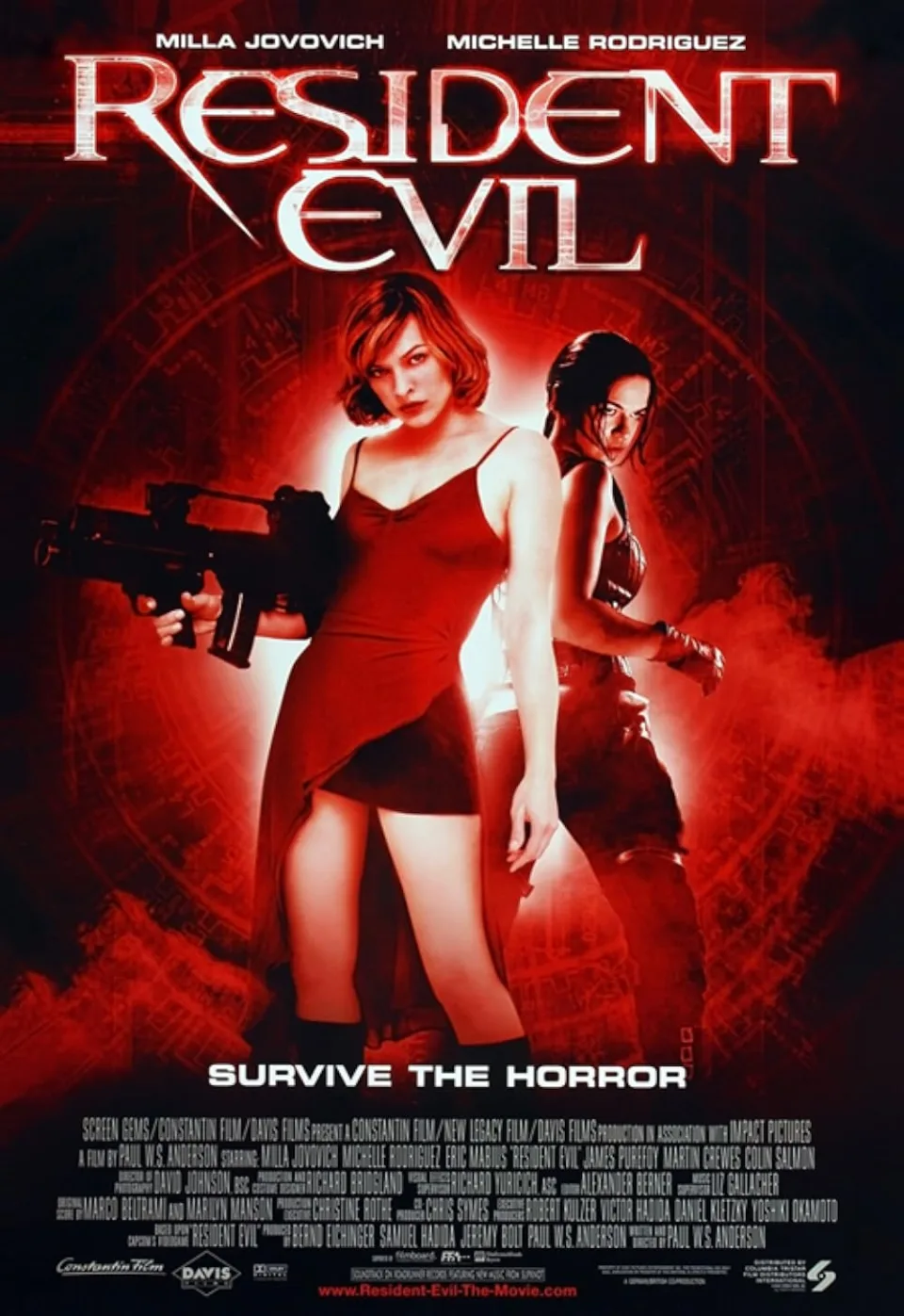
Over the course of the last fifteen-ish years,the horror genre has been constantly evolving and changing, without ever truly forgetting where it came from. For every indie hit or standalone title that swept audiences off their feet, you had at least three very poorly received, franchised, big-budget studio horror movies that have always existed in one form or another. Every OBSESSION has its own SCREAM 7 (2026), creeping behind, ready to pump out another soulless, rinse-and-repeat cliché gorefest. And that used to be an issue. After all, horror as a genre was mass-produced because it’s so cheap to make. It’s just that we, as audiences and horror connoisseurs, stopped noticing all of the studio slop that comes out annually. The main question is why? Why is it that all of a sudden the quality and mass-appeal of horror movies have skyrocketed? I’d reckon that it’s due to the directors and their approach to the genre.
The French have this cool, a tad bit egotistical thing they call ‘film d’auteur’. Born in the 1950s, the idea is for the film to be a direct expression of the director, allowing each filmmaker to have a distinct aesthetic and themes that you can easily link to a single author. That also helped the director, or in this case, auteur, to have complete authority over their own films, at least creatively. Chances are it is and will be studio-owned for the next fifty years. Anyways, the auteur approach was always reserved for other genres, your P.T.As and Aronofsky’s. Never the horror enthusiasts. That was the case, up until very recently.
Slowly, over the course of a few decades, artistic expression was brewing inside the horror community. First THE BLAIR WITCH PROJECT (1999) came out; then you had a glimpse of low-budget genius with PARANORMAL ACTIVITY (2007) and REC (2007), which followed the same found-footage subgenre but approached it differently. All of a sudden it’s the 2010s and you have CREEP (2015) and IT FOLLOWS (2014). Very quickly the approach to what’s scary and what’s truly frightening is shifting. Suddenly there is no room for an extraterrestrial six-foot monster chasing the final girl. Horror as a genre has entirely moved away from the need to show the threat, let alone have it chase the characters around. Instead of jump scares that the Conjuring franchise overused, you’re left with a wide shot that has just enough empty space that makes you wonder if you’re ever truly safe. Then suddenly you get Ari Aster and Jordan Peele, who follow the same formula of auteur filmmaking. Aster explores the topic of grievance and Peele covers racial issues, class differences and exploitation. Because that’s the core of horror.
We live in a truly terrifying period when everything is twice as accessible as it used to be. Every day, we hear and see and process countless pieces of information available on social media, news portals, and across the internet. We are exposed to more news, and far more negative news, than at any other time in history. That’s when Jason Voorhees becomes an STD that follows you around, or Mike Myers and the unchangeable fate your family has been pushed into. Those of us who are privileged enough have the opportunity to comment on these issues through cinema, to show the world that the true horror lies in what surrounds us on the daily.
This new generation of filmmakers is by no means a coincidence; they have emerged as a response to bloated Hollywood budgets, the endless consumption of blockbusters, and TV series that never seem to end. They express themselves and heal their personal traumas through horror, comment on global issues, and do everything in their power to save a genre that is historically the least expensive to produce because it had no substance. All while telling phenomenal stories through both the scripts and visuals. As a society, we have moved beyond classic horror; a new era of modern fear is upon us, and we must confront it, for this is the world we live in.
By Timur Jalovcic · posted 17 October 2026 · edited by Nadja Zevedji The views expressed in this article are the author’s own, and may not reflect the opinions of N/A Magazine.