Fashion & Beauty Season 6, Issue 2
The Pressure of an Outfit: Fashion, Insecurity and More
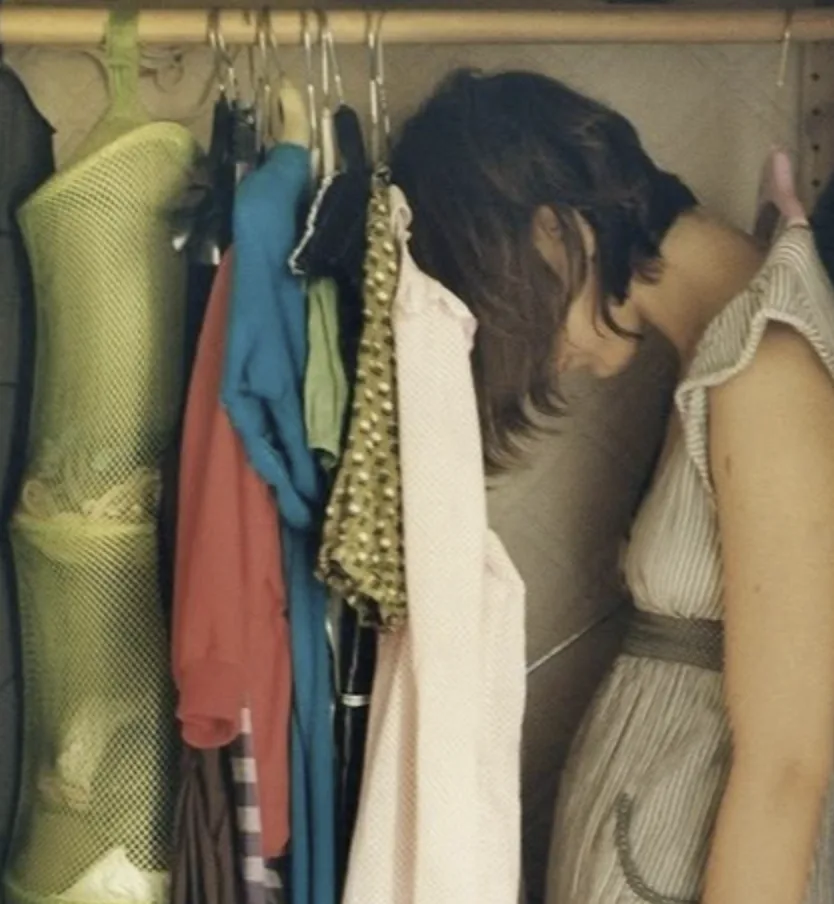
How many times have we stressed over a sweater, a going-out top, a coat, or even the way to style a scarf? How many times have we stood next to our closets, convinced that nothing seems to fit right, despite having plenty of clothes to choose from?
Most of us have experienced the frustration of putting together an outfit, and as much as fashion represents a form of self-expression, there is no denying that it can also become a source of stress, especially when the image we had envisioned does not translate into reality once we try it on. What we might not acknowledge as easily, is that this seemingly ordinary stress can become deeper, turning a simple glance in the mirror into long moments of self-criticism, where dissatisfaction with an outfit gradually extends to our bodies and the way we perceive, and often misperceive, ourselves.
Again, getting overstimulated or annoyed when our wardrobes seem particularly redundant and bland is one thing. The matter here is about when this frustration spirals into anxiety, to the point where enjoying our everyday routines, fulfilling commitments, or even simply going to class becomes draining.
This realization should not incentivise shame for continuing to care about our physical appearance. The relationship between the pressure to look good, whether self-imposed or shaped by societal expectations, the standards we set for our bodies, and the effects these can have on our mental health is undeniable. Yet, despite how common this pressure is, there is a significant tendency to label appearance-related anxiety as an inherently feminised experience.
Women do have historically tackled, and continue to face, disproportionate pressure to conform and adapt to beauty standards, this does not automatically mean that men are immune to similar insecurities. From the objectification of their physicality to the incessant scrutiny of their clothing and weight, ideals shaping femininity have long mirrored broader misogynistic attitudes. In fact, women are often expected to invest considerable effort into their appearance, while also facing criticism for caring too much about it, a contradiction further exposing the unrealistic and often unattainable nature of beauty standards.Yet, this does not automatically mean that men are immune to similar insecurities. We might be surprised to learn just how many guys change their shirts multiple times before leaving the house, or how often, when dissatisfied with their reflection, they turn to the women in their lives for reassurance and advice. This tendency reflects the enduring expectation that masculinity is associated with confidence, decisiveness, and emotional restraint, leaving no space for the expression of insecurity or vulnerability. Combined with the stigma surrounding male anxiety, and the often limited space for emotional openness within male friendships, these expectations often encourage men to seek support from the female figures in their lives for these matters continually labeled as feminine. The difference we should notice perhaps then, does not refer to whether this anxiety exists, but to how it is experienced, expressed, and discussed.
Speaking of expression, in much of our generation (Gen Z), our OOTDs (outfit of the day), GRWMs (get ready with me) , clothing hauls, and constant exposure to new trends, have become part of our everyday lives. Beyond the opportunity to discover new styles and preferences comes the inclination to compare ourselves with others, and remain increasingly preoccupied with what is considered fashionable and necessary. This obsession is nothing new, but neither is the fact that trends come and go. Their representations of nostalgia disappear and eventually resurface, sometimes years later and within entirely different contexts. The same can be said for beauty standards impacting our relationships to physiques and clothes, shifting back and forth, often contradicting what, in the moment, seems like the ultimate ideal of beauty.
It is futile, then, to allow such temporary norms to dictate how we perceive ourselves, constantly pursuing expectations that we might only manage to meet momentarily before they inevitably change again. Our priority instead should be to feel as comfortable as possible in our own skin, taking care of our bodies and health while embracing our uniqueness and features. This more positive approach should not encourage distance us from interests in fashion and experimentation, but promote the search for what feels good, beyond what might appeal to others, focusing on complementing our individuality and own style.
This is where, once again, fashion can become more profound providing a fundamental reflection of our ever complex and changing relationship with our bodies. In Sombr’s trending and particularly touching lyrics: “ I like you but my body isn’t ready, I want you but the mirror won’t let me”(My Body Isn’t Ready), offer a raw portrayal of how our insecurities can amplify beyond our self-image, potentially damaging other aspects of our lives and experiences that we might otherwise pursue.
Even more so, this unease can reach even those unaccustomed to struggling with their self-image, challenging senses of confidence and security. In fact, what happens when people who have always felt entirely comfortable with their appearance, their bodies, or their nudity, begin disliking what they see in the mirror? For any number of reasons, from ageing to bodily changes and different stages of life, some may gradually struggle to recognise themselves in their own reflection, becoming determined to conceal perceived flaws that may be temporary, or that they had never previously considered imperfections.
So, how often do we underestimate the extent to which the pressure we internalise affects our friends and loved ones, who may have no idea what is going on inside our heads, behind the apparently simple choice between pieces of clothing? We could easily make a mistake and dismiss someone's frustration over an outfit as dramatic or superficial, without considering that what appears trivial can be connected to much more significant personal struggles. Proverbs can be surprisingly accurate, and as the saying goes, talking about an issue is often the first step towards addressing it. A rant, an honest conversation, or a truly vulnerable moment with someone we trust can go a long way towards easing our stress and self-flagellation.
We sometimes can also forget the importance of solidarity, and not exclusively within our closest female friendships. Something as simple as lending each other clothes, helping someone put together an outfit, or a quick text, can mean a lot in terms of support, thoughtfulness, and reciprocity. Such acts can make it easier for someone to feel comfortable enough to confide in us and express an insecurity that might otherwise have remained hidden, consequently strengthening a friendship, and more importantly, improving our ability to empathise.
It is November after all, and with Movember advocating for conversations around mental health and wellbeing, there is no better time to tell ourselves that these difficulties are not exclusive to a particular gender or social group.
This is not to say that amazing friends, a loving relationship, or strong support systems can necessarily ultimately resolve our self-image issues and personal problems. Our relationships with our bodies and selves are deeply personal and vulnerable processes, and finding what works best for each of us can take on countless different forms and approaches.
Still, there is much value in remembering that we have people around us who might be more willing to listen and understand than we assume, if only we allow ourselves to open up a little more instead of letting our struggles become skeletons in our closets.
By Silvia Cribari · posted 27 November 2026 · edited by Jay Dancu Inamdar The views expressed in this article are the author’s own, and may not reflect the opinions of N/A Magazine.