Opinion Pieces Season 6, Issue 2
Why Are We Terrified of the Countryside Again?
When we think about the supernatural, what first comes to mind are urban fantasies and their neon-lit cities, from the late 1990’s to the early 2000’s horror has been shaped by classics like Buffy the Vampire Slayer and Underworld all the way to the sprawling city thrillers like The Dresden Files and Blade, as the supernatural ruled the streets with an eerie humanity. While highly popular secluded horror, like The Blair Witch Project, still came about in that era, it was much more common for a metropolitan setting to dominate mainstream supernatural fiction for decades. Lately however, supernatural fiction has taken a more woodland turn, as villages and unknown landscapes take over books and film once more. There seems to be an intrigue about the dread that comes with folk horror - we’ve grown tired of the city and want to escape.
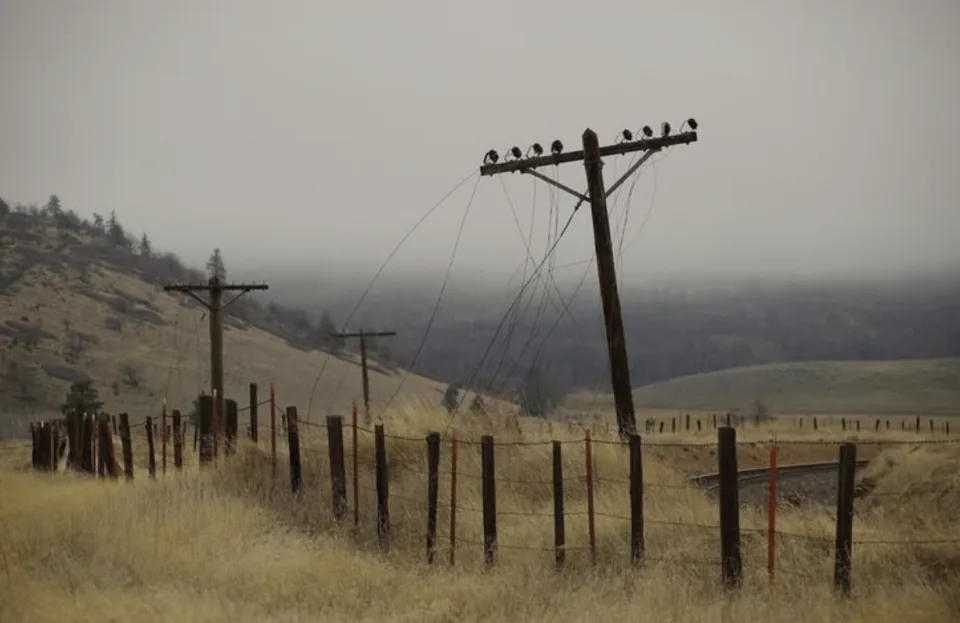
To dig deeper into what makes these sub-genres so different, we must first look at how their logic operates. Urban fantasy finds endless ways to domesticate the supernatural: vampires run corporations and faes sign treaties, but the street-smart hero is still able to outmanoeuvre everything that goes on in the depth of night. However, folk horror leans into the supernatural aspect through its rural setting. A dark swamp or an eerie forest provide an environment that could easily be hiding something spooky under the surface. The weather in a constant downpour, with thunder brewing as a local bloodline seeks to cover up their tragic past. The antagonists of these media are rarely what you expect, the landscape plays tricks on the reader, and you slowly begin to realise that you can’t outsmart the ancient lands.
But this shift isn’t random. The world of urban fantasy that belonged to the late 1990s and 2000s is a period of rapid urbanisation and early digital optimism, an era where we took human civilisation for granted, when the world around us wasn’t quite as developed or digitally saturated as it is today. It was a call for development in a fantasy world which could provide us with exactly that. Yet in a world of climate activism and anxiety for the future of our planet, nature no longer feels like a passive backdrop; rather, it is ancient and filled with untold stories. Preying on the burnout of the modern world, as we are exhausted by screens, escaping to a quiet cottage in the middle of nowhere has never sounded more delightful.
We can see this exact logic anywhere we turn in recent horror. Adam Nevill’s The Ritual shows hiking buddies with GPS gear slowly figuring out that modern technology cannot help them in the ancient forests of Scandinavia. Or Ari Aster’s Midsommar, which follows American graduate students to a Swedish commune where academia is useless against an old ritualistic world. This turn to rural horror media shows that the real scare in life isn’t a monster jumping out of a dumpster in a bustling city, but rather the realisation that help can’t reach you out in the middle of nowhere.
By Lucia Price · posted 27 November 2026 · edited by Abbi McDonald The views expressed in this article are the author’s own, and may not reflect the opinions of N/A Magazine.